Best PIM Software 2026
Last updated: · How we tested
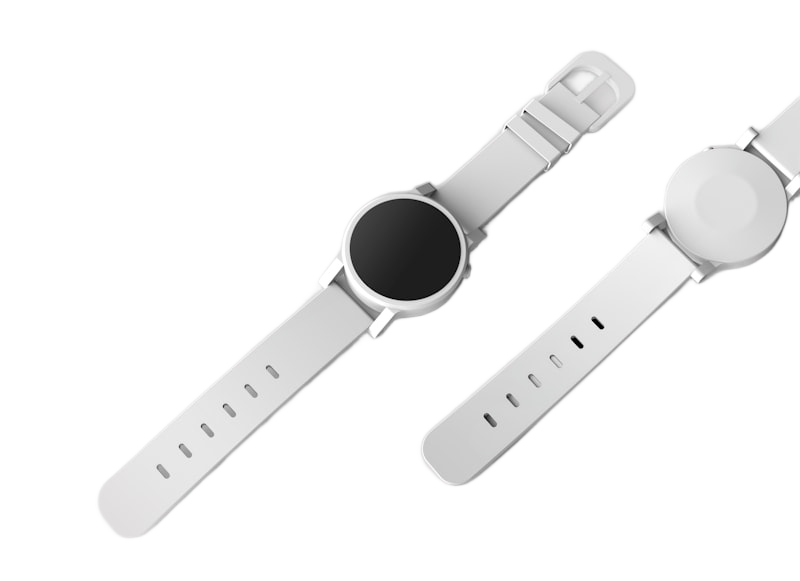 Cleaned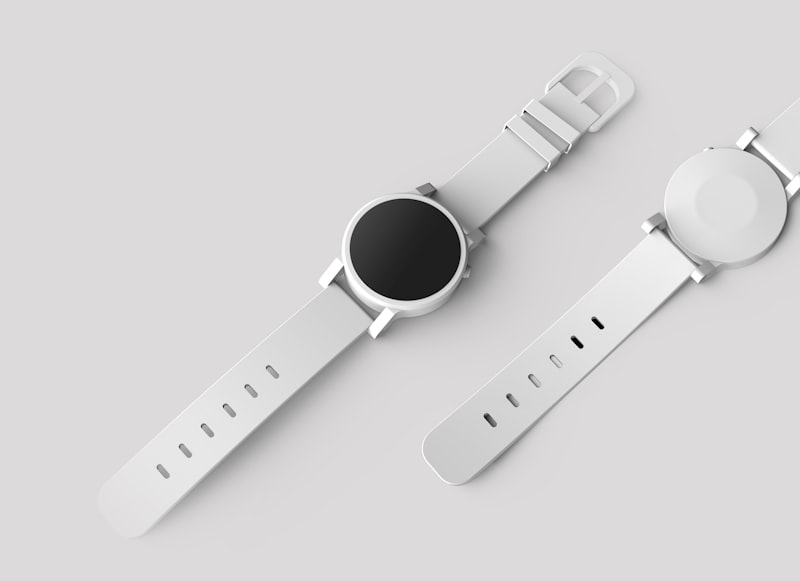

Background cleanup
Studio white
SEO alt text
"Halo smart watch, sand strap…"
Product description
Enriched from spec
Variant crops
3 colorways
Feature comparison
Side-by-side comparison of 2026's top PIM platforms.
| Feature | Sirv AI Studio | Salsify | Akeneo | inRiver | Plytix | Pimcore |
|---|---|---|---|---|---|---|
| Starting Price | $149/mo | Custom (enterprise) | Free (CE) / Custom (PIM) | Custom (enterprise) | $650/mo | Free (CE) / Custom (PaaS) |
| Best For | Product content + media + PIM | Brand-side PIM at scale | Open-source flexibility | Manufacturing + B2B | SMB + mid-market | Self-hosted enterprise |
| Attributes | Custom fields, AI auto-fill | Deep attribute modeling | Flexible product modeling | Multi-channel attribute mapping | Custom attributes + variants | Object-class modeling |
| Channels | Shopify (full sync), API, webhooks | Amazon, Walmart, Shopify, custom | Shopify, Magento, custom connectors | 200+ channel connectors | Shopify, Amazon, BigCommerce | Custom integrations |
| Workflow | Visual builder + auto-route | PXM + GDSN syndication | Workflow editor | Marketplace marketing portal | Channel mapping + brand portals | BPMN workflow |
| API Access | REST API + MCP included | Enterprise API | REST + GraphQL | Enterprise API | REST API | REST + GraphQL |
| Extra Tools | 20+ AI tools, DAM, vendor portal | PXM, content optimization, GDSN | Translation, asset manager, app store | Inspire (marketing), Syndicate, Portals | Brand portals, analytics, sharing | DAM, MDM, e-commerce, CMS |
Platform summaries
Sirv AI Studio
$149/moBest for: Product content + media + PIM
Channels: Shopify (full sync), API, webhooks
Salsify
Custom (enterprise)Best for: Brand-side PIM at scale
Channels: Amazon, Walmart, Shopify, custom
Akeneo
Free (CE) / Custom (PIM)Best for: Open-source flexibility
Channels: Shopify, Magento, custom connectors
inRiver
Custom (enterprise)Best for: Manufacturing + B2B
Channels: 200+ channel connectors
Plytix
$650/moBest for: SMB + mid-market
Channels: Shopify, Amazon, BigCommerce
Pimcore
Free (CE) / Custom (PaaS)Best for: Self-hosted enterprise
Channels: Custom integrations
Which PIM is right for you?
The right pick depends on your product range, channel breadth, and budget.
E-commerce + content teams
D2C brands and Shopify merchants who need product data plus image processing in one workspace.
Our pick: Sirv AI Studio
Enterprise PXM
Brands syndicating to 200+ marketplaces with deep attribute modeling and GDSN.
Our pick: Salsify or inRiver
Open-source flexibility
Teams with developer capacity who want to run their own PIM with custom data models.
Our pick: Akeneo or Pimcore
Mid-market with channel needs
Hundreds to thousands of SKUs across Shopify, Amazon, and 1-2 marketplaces.
Our pick: Plytix
Frequently asked questions
What is PIM software?
PIM (Product Information Management) software is a system of record for product attributes: names, descriptions, specs, variants, images, prices, channel-specific copy. It's the source of truth that downstream channels (Shopify, Amazon, Walmart, your B2B portal) pull from. PIM keeps channel records more consistent: when you update a spec or swap a hero image, connected channels can reflect the approved change without anyone copy-pasting between systems.
What's the difference between PIM and DAM?
DAM (digital asset management) stores files: images, video, 3D, documents. PIM stores structured product data: attributes, descriptions, variants, channel mappings. Many platforms (including Sirv AI Studio) bundle both, because product images are tied to product records. Pure-play PIM (Salsify, Akeneo, inRiver) excels at attribute modeling and channel syndication. Pure-play DAM (Bynder, Brandfolder) excels at file workflow. If you need both, an integrated platform avoids constant API plumbing between separate systems.
How is Sirv AI Studio different from Salsify or Akeneo?
Salsify and Akeneo are pure-play PIM platforms with deep attribute modeling and broad channel syndication. They are strongest for enterprise syndication programs and implementation-led rollouts. Sirv AI Studio bundles practical PIM (custom attributes, variants, Shopify sync, API) with a built-in DAM and AI tools that process product images automatically. If you need GDSN syndication to grocery and pharma marketplaces, you want Salsify. If you need a content-first PIM that handles images and product data together for an e-commerce or D2C brand, Sirv is the clearer self-serve fit.
Can I use Sirv as a Shopify PIM?
Yes. Sirv AI Studio is purpose-built as an upstream PIM for Shopify: bi-directional sync of product attributes, images, variants, and metafields. Push processed images straight to product pages. Pull existing products to enrich descriptions or alt text. Bulk-update across thousands of SKUs. Most of our e-commerce customers use Sirv as their primary product information system with Shopify as the storefront.
What about product data quality?
Sirv AI Studio enforces data quality at intake: required-field rules, regex naming conventions, image dimension and aspect-ratio rules, allowed-value constraints on attributes. Vendors can't submit a product without the required fields filled. Bulk operations let you find and fix data quality issues across thousands of SKUs at once: missing alt text, broken image links, inconsistent measurements. The audit log and visible version history show every change for review.
How much does PIM software typically cost?
Enterprise PIM (Salsify, inRiver, Pimcore PaaS) typically starts around $30,000–$100,000+ annually with implementation costs on top. Mid-market PIM (Plytix) starts around $650/mo. Sirv AI Studio starts at $149/mo with PIM features included on every paid tier. The differentiator at the higher end is GDSN syndication and global-scale channel coverage; if you don't sell into hundreds of marketplaces, mid-market or content-first PIM is enough.
How we tested
Same catalog, same channel set, blind scoring across six categories. We re-run the matrix every quarter so the ranking on this page reflects current product, not last year's marketing site.
Content-first PIM tools through enterprise GDSN players. Vendors with public pricing or accessible trials get scored head-to-head; the ones gated behind sales calls are noted but not ranked.
500 SKUs, 40 attributes, three sales channels (Shopify, an online marketplace, and a print catalog). Same source data into each PIM via import or API. Single tester, same week.
Six categories: attribute model flexibility, channel readout, governance and approvals, data quality controls, API ergonomics, and syndication breadth. Pricing transparency is reported separately.
Where vendors offer references, we run short calls to confirm the documented behavior matches production. Anonymized notes are kept on file.
Channel coverage and price tiers move every quarter. The matrix is reviewed and re-tested each quarter; changes trigger a publish update.
Methodology re-run quarterly. Email research@sirv.studio for the raw scoring sheet.
Ready to manage product information at scale?
25 free credits. No credit card required. Custom attributes, variants, Shopify sync, and AI image processing in one workspace.
25 free credits to start. No credit card required.